
How to detect roof leaks?
Subheading: A straightforward guide for UK homeowners dealing with roof water ingress
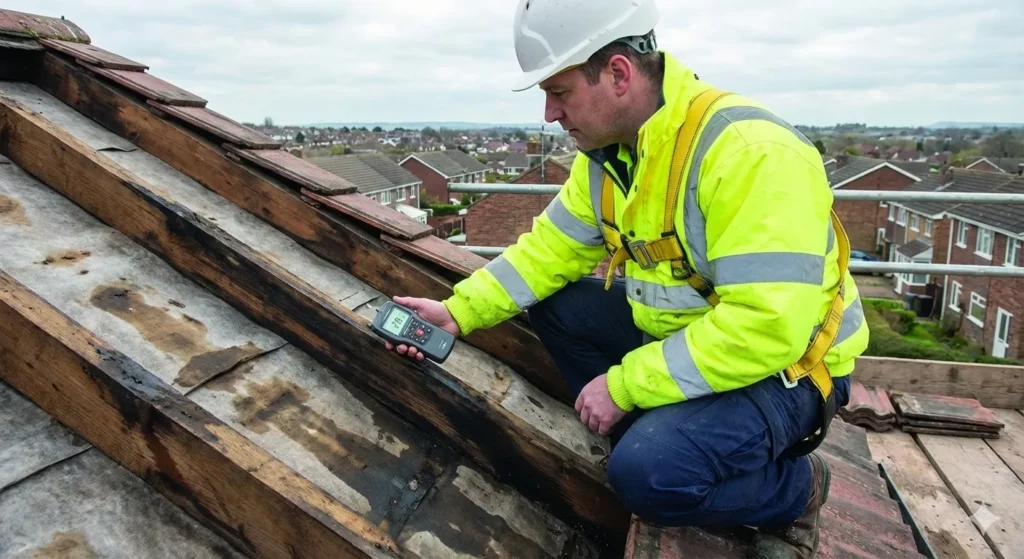
A roof that lets in water rarely announces the problem straight away. Moisture often slips in quietly, settling behind insulation or creeping along the rafters long before a stain shows up on your ceiling. By the time you notice patches, peeling paint or that unmistakable musty smell, the water may have already travelled through the structure of your home.
What follows is a clear, practical look at the early clues, how to confirm that a leak is active and the sort of checks a thorough roof inspection should cover.
Common Warning Signs of a Roof Leak
Catching the signs early can prevent a minor issue from becoming a much bigger one.
Damp patches or water staining
Brown or yellow marks spreading across ceilings or walls usually mean water is entering somewhere above. These tend to appear after spells of heavy rain.
Drips or moisture during bad weather
Some leaks only make themselves known in certain conditions. You might see water collecting near light fittings, running down a beam or forming small puddles inside.
A damp, earthy smell in the loft
Lofts often give away the problem first. An unusual smell usually means moisture has started to build up around the rafters or insulation.
Paint peeling or plaster bubbling
Water trapped behind plaster causes it to swell or separate from the surface. The result is cracking, flaking or raised patches.
Persistent mould
If mould keeps returning in the same place, it usually means water is finding its way in from outside rather than being caused by indoor humidity.
Damage visible from ground level
Tiles that have slipped, gaps in flashing or a sagging roofline all point to areas where water could be entering.
Roof Leak Detection Services: A Simple Homeowner’s Guide
The place where you see the damp isn’t always where the water is getting in. Moisture can travel along rafters or down internal walls before finally appearing in a completely different room. A few careful checks can help you narrow down the source.
Practical Steps to Identify a Roof Leak
Step 1: Start inside
Look carefully at the stained or damp area and work upward. The highest point of the mark often sits closest to where the water originated.
Step 2: Check the loft
Bring a bright torch and examine the space for:
• Darkened timber or damp patches
• Wet insulation
• Small beams of light coming through the roof
• Drops forming shortly after rain
• Mould or concentrated condensation around rafters
If the roof is leaking, the loft usually holds the evidence.
Step 3: Look at the roof from outside
You don’t need to climb up. From the garden or pavement, look for:
• Missing, broken or lifted tiles
• Flashing that appears loose or cracked
• Thick moss build-up
• Gutters filled with debris
Many leaks begin with issues you can spot from the ground.
Step 4: Check gutters and downpipes
Blocked or overflowing gutters can push water beneath the tiles. Clearing out the debris often reveals the real problem.
Step 5: Watch what happens in the next storm
Fresh damp patches appearing after a downpour can help you determine whether the leak is active and where it’s most likely starting.
Common Causes of Roof Leaks in UK Homes
Most leaks come from one of these issues:
• Slipped or cracked tiles
• Damaged or ageing flashing
• Roofing felt that has deteriorated
• Wind or storm damage
• Gutters overflowing
• Poor workmanship during earlier roof repairs
Routine roof inspections can prevent small issues from becoming expensive ones.
How Mr Leak Can Support You
A leaking roof often points to more than just damaged tiles. Moisture can seep into insulation, affect timbers and travel through parts of the structure you can’t see. While the physical repair must be handled by trained roofing specialists, Mr Leak focuses on identifying the exact entry point with non-destructive diagnostic methods.
Our team uses tools such as moisture mapping, thermal imaging and specialist tracing equipment to locate the problem accurately without tearing open your home.
You can see more about our process here:
👉 https://waterdamage-restoration.co.uk/services/leak-detection/
We also work with trusted roofing professionals across the UK, so once the source of the leak is identified, you can move straight to repairs with confidence.
If you think your roof might be leaking, take action sooner rather than later. Early detection protects your home, prevents mould growth and keeps repair costs under control.